In a rapidly shifting global energy landscape, reliability is more important than ever. In Alaska, coal continues to serve as a strategic and dependable resource, powering communities, helping stabilize energy costs, and supporting greater energy independence.
Global energy markets are constantly shifting — driven by geopolitical tensions, supply constraints, and fluctuating fuel prices. Unlike other energy sources, Alaska’s coal is local, abundant, and not tied to international markets.
That stability matters.
Coal provides consistent, around-the-clock power — ensuring homes, businesses, and essential services can count on dependable electricity in Interior Alaska and beyond.
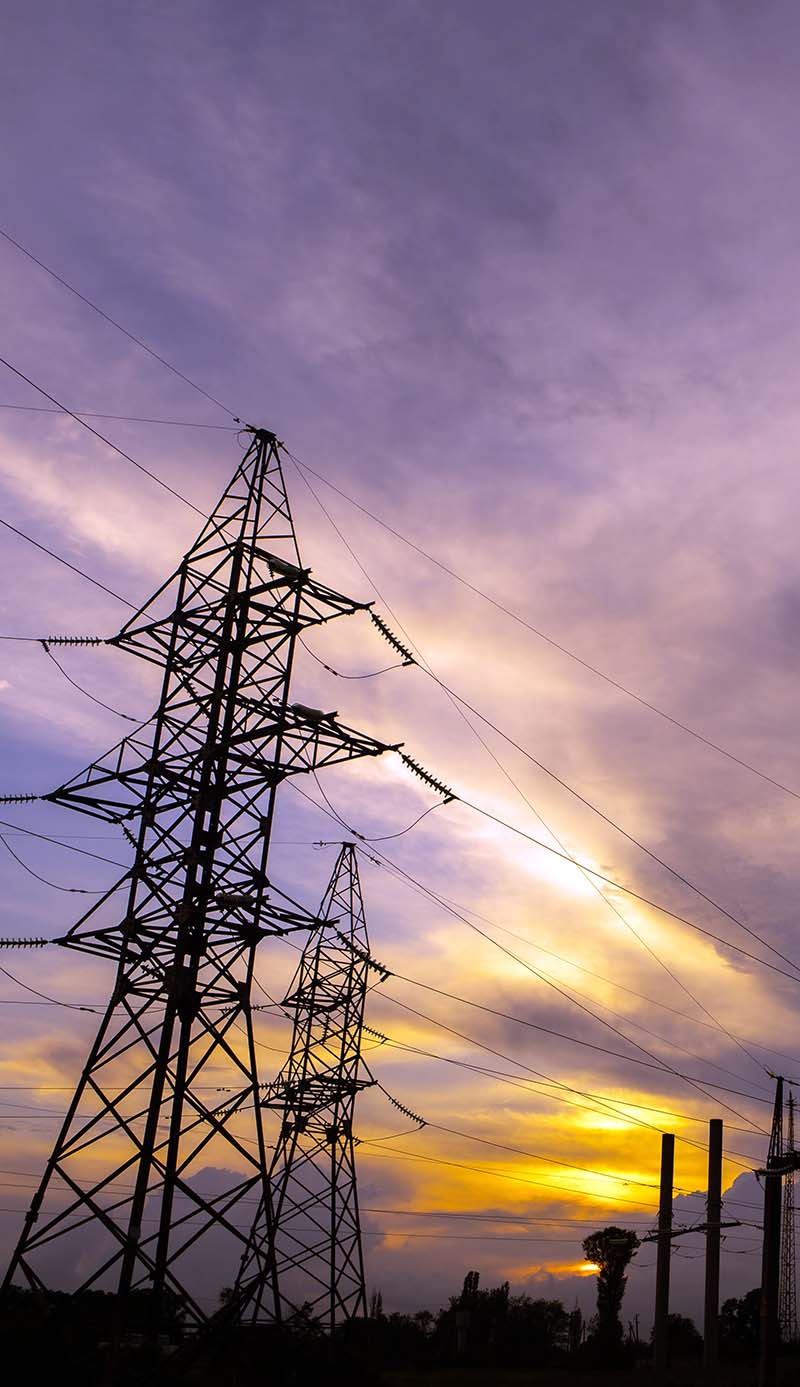
Because coal is sourced locally, it helps shield Alaska communities from the volatility of global fuel markets. While other commodity prices can spike suddenly, coal offers a more predictable cost structure. This supports long-term planning for utilities, businesses, and families alike.
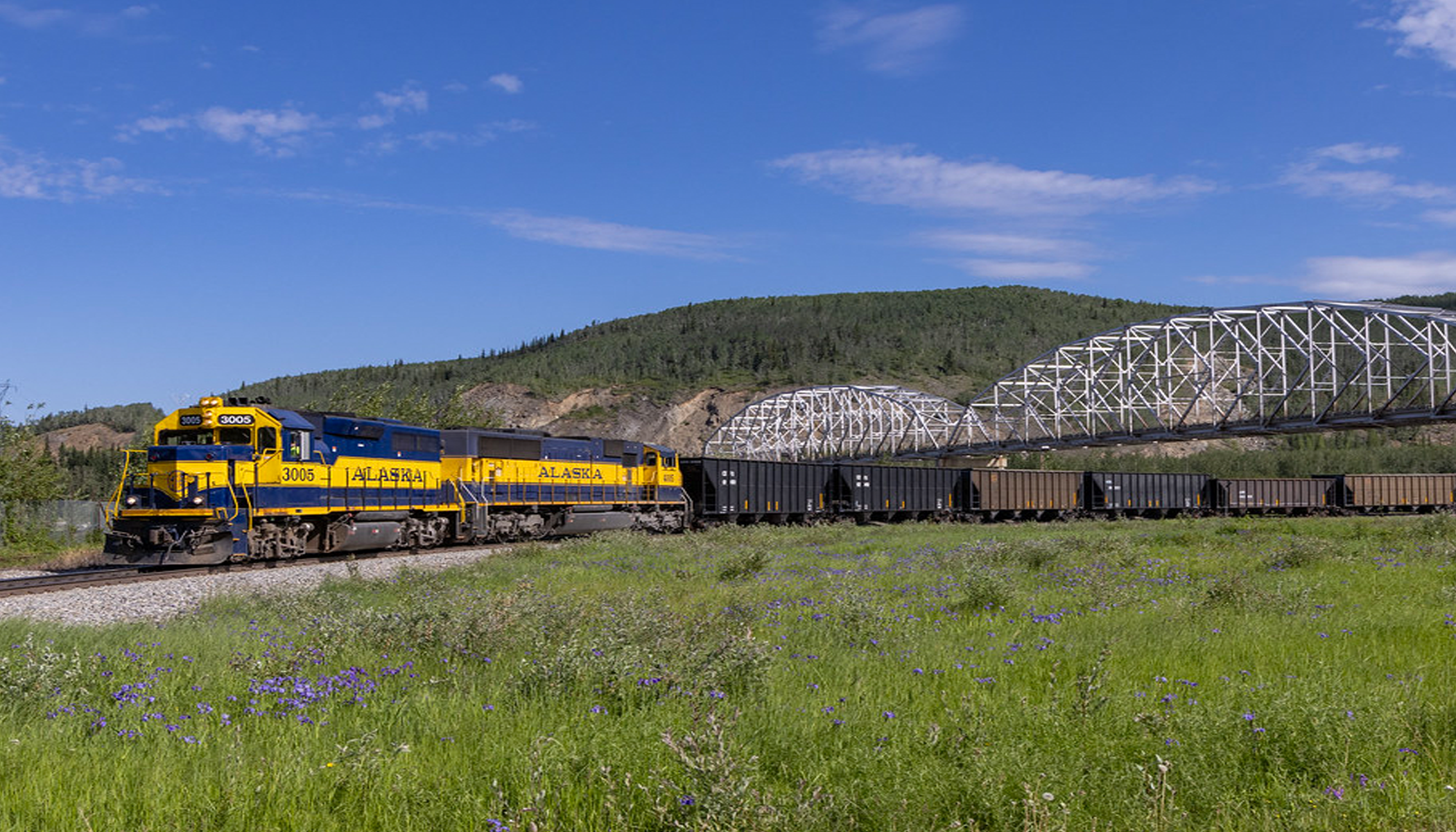
energy independance for alaska
Alaska holds some of the world's largest coal reserves; UCM alone holds over 80 years of permitted reserves. Putting this resource to work reduces dependence on imported fuels and keeps energy dollars within the state. This isn’t just about energy; it’s about economic strength. Local coal supports Alaska jobs and communities, and contributes to a secure, more self-reliant energy future.

supporting a balanced energy mix
Coal continues to play an important role alongside renewable sources. As Alaska expands wind, solar, and emerging technologies, coal provides the dependable baseload power Alaska needs to keep the grid stable. It’s not an either/or approach. It’s about balance.

Usibelli's Bucyrus dragline is Alaska's
largest piece of mobile land-moving equipment. It operates 100% on electric power.

Our clients include Fairbanks and Healy power plants, the University of Alaska, and military bases, where up to 90 days of reserves are maintained.
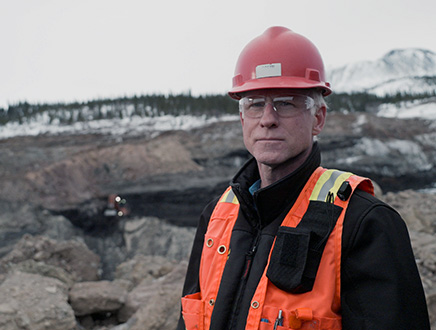
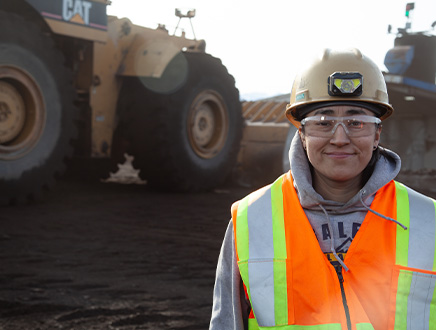
Our safety-first culture has achieved a milestone of hundreds of days without a lost-time injury.
The first 100 feet of overburden is often loosened with controlled blasting. The dozers, haulers, loaders and dragline then get to work. Ten hours a day, all year-round.

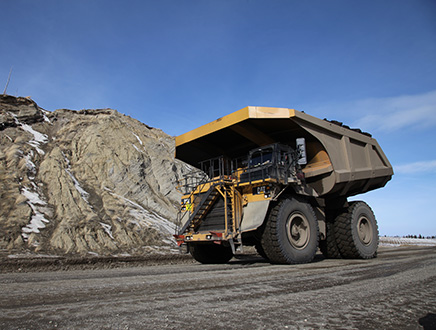
Usibelli Coal Mine maintains a fleet of Caterpillar haul trucks, each capable of carryiing approximately 150-tons of material.